Big questions,

bigger discoveries.

Primary at The Garzón School is where curiosity becomes inquiry, and inquiry becomes understanding. From Grade 1 through Grade 6, our learners engage with a bespoke, concept-based curriculum that places them at the center of their own educational journey — asking questions, making connections, and applying their learning to the real world. Taught by bilingual educators and set within a campus where nature and architecture work hand in hand, Primary prepares children not just with knowledge, but with the competencies, confidence, and character to use it.

  • Our Primary curriculum is built around eight core concepts — Identity, Expression, Change, Function, Relationships, Responsibility, Life, and Innovation — which students revisit on two-year cycles. Each time a learner returns to a concept, they approach it through an increasingly abstract and sophisticated lens, guided by their own interests and supported by their educators.

    A Grade 1 student exploring Identity might investigate their family, their home, and the things that make them unique. That same student, four years later in Grade 5, might choose to examine identity through the lens of historic migration to Latin America and its lasting impact on the communities around them. The concepts are designed to be responsive to each learner’s curiosity, while the cross-curricular competencies (Think, Act, Relate, Communicate) ensure that transferable skills are developed, evidenced, and reported on at every stage.

  • In Primary, inquiry is the engine of learning. Our units of inquiry, designed collaboratively by educators during their two hours of daily planning time, are student-centered, hands-on, and connected to real-world questions and challenges. Learners ask questions, conduct research, test ideas, and form their own conclusions, developing the critical thinking, problem-solving, and creative confidence that our curriculum is built to cultivate.

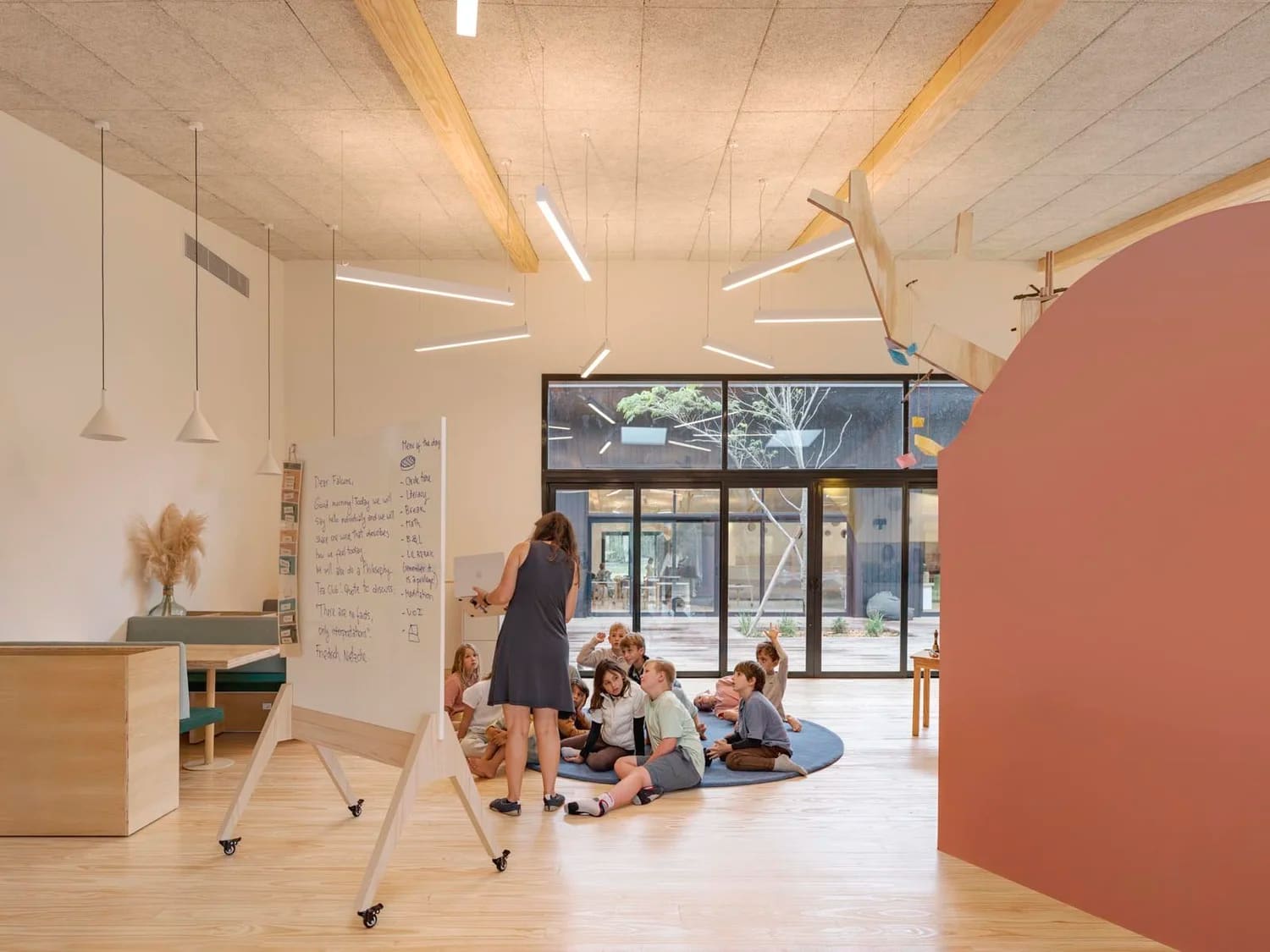
    The open-plan learning spaces designed by Rosan Bosch Studio support this approach architecturally: flexible zones for collaboration, quiet focus, presentation, and hands-on making allow learning to take the shape it needs to take, rather than being constrained by the traditional classroom.

  • Every morning, Primary students engage in dedicated Literacy and Numeracy sessions aligned to UK National Curriculum standards. Each student has an evolving progress tracker that benchmarks their attainment against international grade-level expectations, giving families clear, evidence-based insight into their child’s academic development.

    These sessions are structured and rigorous, but they are not disconnected from the inquiry-based learning that follows. A student investigating the concept of Change, for example, might apply their developing data analysis skills in numeracy to track environmental shifts on our campus, or use their growing literacy to write persuasively about an issue that matters to them.

  • Primary students continue to develop bilingual proficiency across both English and Spanish, taught by educators who model fluent, natural use of both languages throughout the day. As students mature, the academic demands in both languages increase: they are expected to read, write, discuss, and present in both English and Spanish with growing complexity and confidence.

    Our full-time Language Support Specialist works with students across grade levels in small groups and one-on-one settings, providing targeted support for children who need additional scaffolding in either language. Whether a child arrives as a native English speaker, a native Spanish speaker, or with a different home language entirely, our translanguaging approach ensures their full linguistic repertoire is valued and developed.

  • Assessment in Primary is formative and competency-based. Our educators assess regularly to build qualitative and quantitative evidence of student learning against international benchmarks. Reporting is designed to feed forward: families receive clear, actionable next steps alongside recognition of growth.

    Communication with families is direct and proactive. Much of our educators’ reporting happens through regular, trust-based conversations alongside more formal termly written reports. Student learning is also shared through Seesaw and celebrated at Celebrations of Learning events throughout the year.

  • The daily walk to campus through the forest is just the beginning. Primary learners at TGS engage with our 38-hectare campus as a living laboratory: observing seasonal changes, conducting scientific investigations in the field, journaling by the lake, and developing the kind of environmental awareness that comes from growing up in genuine, sustained relationship with nature.

  • Primary classes at TGS are organized into two-year nests, and our educators loop with their students across those two years. This means that a teacher who knows your child in February of Grade 3 still knows them deeply by December of Grade 4 — their strengths, their struggles, their passions, and their growth areas. This continuity of relationship builds the kind of mutual trust and understanding that transforms learning.

    Looping is grounded in research showing that strong teacher-student relationships are one of the most significant predictors of positive academic and social-emotional outcomes. At TGS, it is also one of the things families notice and value most.

  • Each Primary nest has two dedicated educators who truly know every child in their care. Our dedicated Educational Psychologist for this stage, Catalina Garat, works alongside the Primary team to support students’ social-emotional development and to guide families through the joys and challenges of the Primary years. This work supports the creation of a school culture where every child feels they belong.

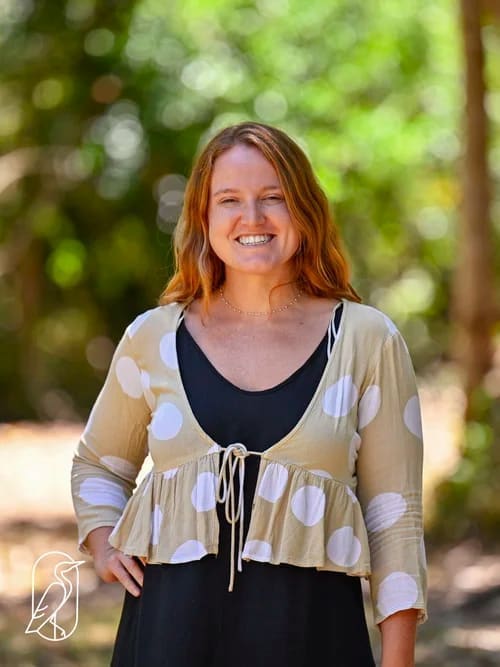
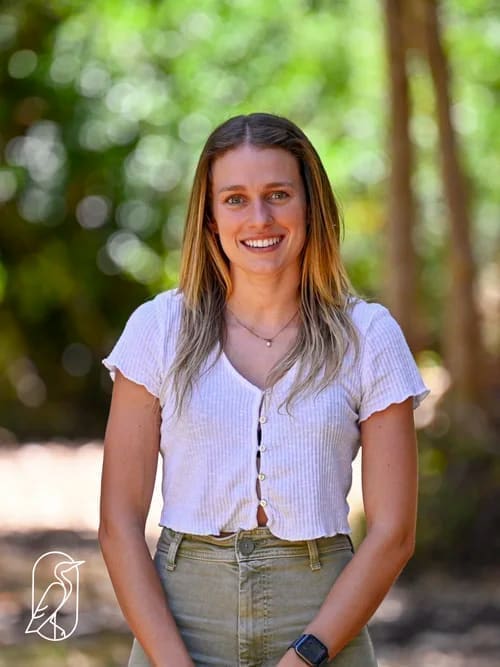
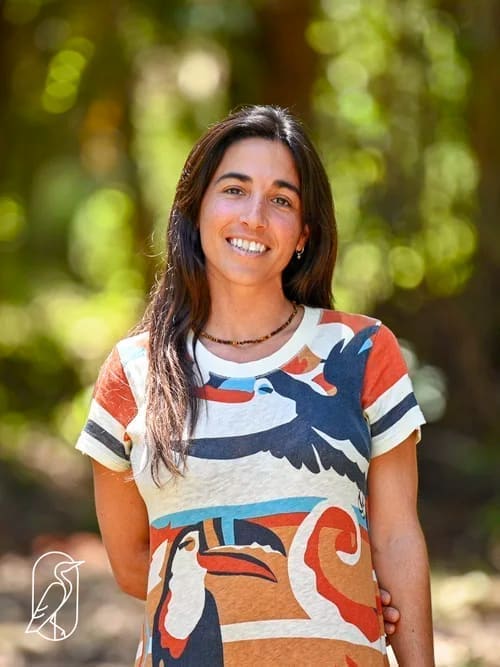
Primary Team

Fall in love
with learning.

Apply to join The Garzón School!